Predictions
30 November, 2025
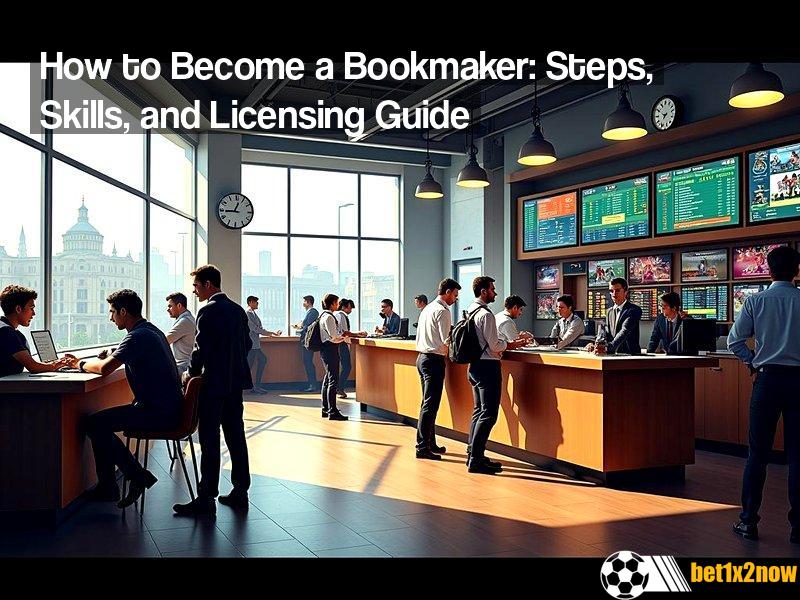
Stepping into the role of a bookmaker offers a thrilling chance to immerse yourself in the dynamic realm of sports betting and gambling. By equipping yourself with the necessary expertise and skills, paired with a genuine enthusiasm for this field, you can turn your aspirations into a thriving enterprise. This journey can attract enthusiastic bettors eager to place their wagers.
To embark on a journey as a bookmaker, it’s vital to grasp the essential steps and requirements that define this competitive arena. Your first order of business is securing a license from the UK Gambling Commission. Operating without this license is against the law, making it an indispensable initial step. For those seeking a remote general betting operating license, if your annual gross gambling yield falls below £550,000, you’ll face an application fee of £2,933. Moreover, maintaining this license comes with an annual cost of £3,408
A successful bookmaking venture demands a considerable amount of capital. It’s wise to have between £5,000 and £10,000 at your disposal to handle initial expenses, including licensing fees, equipment, and various operational costs. Gaining a comprehensive understanding of the gambling industry will equip you to navigate its market intricacies more effectively.
You have the option to operate as an independent bookmaker or collaborate with an established one, which can be a great way to gain practical insights into the business. Such a partnership can yield valuable knowledge about the day-to-day functions of the industry. Additionally, having a thorough grasp of sports betting, relevant regulations, and strategic market approaches is crucial. Engaging in practical experiences, such as working in a betting shop, can significantly enhance your understanding and skill set.
In essence, becoming a bookmaker is about much more than just acquiring a license. It requires a blend of knowledge, expertise, and financial resources to thrive in the gambling landscape. By following these outlined steps, you can create a solid groundwork for your bookmaking enterprise.
To thrive as a bookmaker, investing in the right training and qualifications can significantly boost your prospects in this competitive industry. Although formal credentials aren’t strictly necessary, obtaining a Level 2 Diploma in Gambling Operations is highly encouraged. This qualification equips you with crucial insights into gambling regulations, operational protocols, and essential customer service skills—all key components for success in this field.
A robust educational foundation can also be advantageous. Achieving GCSEs with grades ranging from 9 to 4, particularly in subjects like English and mathematics, helps cultivate the analytical and communication skills that are vital for this role. Moreover, experience in customer service is invaluable, as it enables you to grasp client needs and foster connections with bettors.
While it’s possible to break into the industry without formal education, many successful bookmakers start their careers as cashiers in betting shops. This practical experience allows them to familiarize themselves with the intricacies of the business and gain a deeper understanding of customer behavior and preferences. Additionally, engaging in apprenticeships can provide structured training, better equipping individuals for future management or operational positions.
For those aspiring to work legally in this field, acquiring a Personal Management License (PML) is a must, with a current fee of £370 per individual. The licensing process also necessitates a Criminal Record Bureau check to ensure that all operators comply with the regulatory standards established by the Gambling Commission.
While there are no rigid prerequisites for becoming a bookmaker, pursuing relevant training, securing qualifications such as the Level 2 Diploma in Gambling Operations, and accumulating hands-on experience through customer service roles can significantly enhance your skills and credibility in this dynamic industry.
To thrive as a bookmaker, possessing a well-rounded skill set and a wealth of knowledge is absolutely vital. First and foremost, exceptional communication skills play a key role. When bookmakers engage effectively with their clients, they not only enhance the betting experience but also cultivate lasting customer loyalty.
In addition to communication, financial acumen is essential. Bookmakers must adeptly manage funds, analyze profits and losses, and maintain the overall financial health of their business. A strong grasp of betting markets is equally important; this expertise enables bookmakers to establish competitive odds and make informed decisions influenced by current market trends.
Another critical ability is the capacity to adjust odds as needed. By scrutinizing betting patterns, bookmakers can tweak odds to minimize potential losses while maximizing their profits. Moreover, effective risk management is a cornerstone of this industry. Bookmakers need to evaluate the risks tied to various bets and develop strategies to safeguard their finances. This involves thorough analysis and the agility to adapt swiftly to market shifts.
Lastly, staying informed about betting regulations is crucial. Awareness of these laws ensures that bookmakers operate within legal boundaries and maintain compliance in their practices. Altogether, a successful bookmaker weaves together these diverse skills and insights, skillfully navigating the intricate landscape of the gambling world.
Navigating betting markets and fine-tuning odds is essential for bookmakers aiming to maintain a competitive edge. The journey begins with a thorough analysis of various elements that influence the outcomes of sports events. Factors such as team performance player injuries, and even the pulse of public sentiment all play a crucial role. By staying attuned to these dynamics, bookmakers can establish odds that not only draw in bettors but also accurately mirror the probability of an event occurring.
The actions of competitors also wield considerable influence over betting markets. By keeping a close watch on the odds set by rival bookmakers, they can adjust their own offerings to remain enticing. The betting environment is ever-changing, demanding continuous tweaks and updates. For instance, when a significant amount of money is wagered on a particular outcome, it may lead bookmakers to lower the odds to mitigate potential losses and promote betting on less favored options. This delicate balancing act is key to effective risk management.
Moreover, statistical data is an invaluable asset in this arena. By scrutinizing historical data and betting patterns, bookmakers can make educated choices that enhance their odds-setting tactics. Leveraging this information is crucial for grasping public opinion and adjusting odds as needed, ensuring they align with both market trends and the true probabilities at play.
Ultimately, mastering the intricacies of betting markets and adjusting odds hinges on a blend of sports acumen competitor insights, and the strategic use of statistical analysis. Bookmakers must be agile and perceptive, ready to respond swiftly to shifts in the market. These capabilities are vital for maximizing profits while keeping risks at bay in this fast-paced landscape.
Starting a career as a bookmaker in the betting industry involves navigating various financial considerations that are vital for ensuring your business thrives and remains profitable. Initially, you need to be aware that the costs associated with launching your operations can be quite substantial. For example, if you’re looking to become an on-course bookmaker, you might need to invest at least £10,000. However, this figure could rise significantly depending on the complexity of your setup.
Another important factor to keep in mind is the necessity of having adequate cash reserves. It’s advisable for bookmakers to maintain a safety cushion of around £5,000 to £10,000. This reserve is essential for covering winning payouts and managing ongoing operational expenses, particularly during periods when your revenue may vary. Given the unpredictable nature of the betting market, having a robust financial strategy is crucial.
Moreover, getting a clear picture of your required capital is essential. Make sure to account for recurring costs such as:
All of which can quickly surpass £5,000. A comprehensive financial plan should also factor in potential losses stemming from the inherent risks of betting. To navigate the competitive landscape of bookmaking successfully, it’s vital to regularly review your financial status and make necessary adjustments.
Those looking to become bookmakers should prioritize three key financial elements:
These considerations are fundamental to achieving long-term success and sustainability in the bookmaking arena.
Securing a bookmaker license is a vital step in guaranteeing that operators adhere to legal standards and promote responsible practices within the gambling industry. To begin this journey, applicants must provide a comprehensive application to the UK Gambling Commission. This submission should detail:
A rigorous background check follows, assessing the applicant’s fitness to operate in this regulated sector.
It’s important to note that different betting activities may necessitate distinct licenses. For instance:
Each type of license comes with its own set of requirements and associated costs. For example, the application fee for a non-remote general betting limited operating license can range from £160 to £881, depending on the duration of operations.
Throughout the licensing process, strict adherence to regulatory requirements is paramount. This includes:
Failing to meet these obligations can lead to penalties or even the revocation of the license. Moreover, there are annual fees associated with license maintenance, underscoring the necessity for meticulous financial planning and unwavering commitment to compliance.
In essence, acquiring a bookmaker license is a detailed and structured endeavor that demands careful attention and dedication to regulatory standards, ensuring that bookmakers can operate both legally and ethically in the betting landscape.
The operational side of bookmaking plays a pivotal role in establishing a thriving betting business. At the heart of this is the development of efficient betting platforms. Bookmakers must create user-friendly interfaces that facilitate seamless transactions and enhance the overall customer experience. This includes:
Another vital component is customer service. Providing top-notch support is essential for nurturing strong relationships with bettors, which in turn fosters trust and loyalty. To effectively address a range of concerns—from technical glitches to account management—bookmakers often rely on dedicated support teams to respond promptly to customer inquiries.
Adhering to regulations is also a fundamental aspect of operations. Bookmakers are required to comply with stringent legal standards, including:
This commitment to transparency not only safeguards against potential legal complications but also reinforces the integrity of the business. For instance, the first-year reduction of 25% in the annual fee for a non-remote general betting limited operating license highlights the importance of sound financial planning in meeting compliance requirements.
Moreover, effective record-keeping is crucial. It enables bookmakers to:
This adaptability is essential in a competitive landscape, where being responsive to market shifts can significantly influence profitability.
In essence, the operational facets of bookmaking blend technology management, customer engagement, regulatory adherence, and meticulous record-keeping. Together, these elements form the backbone of a successful betting enterprise.
The bookmaking industry is rife with challenges that aspiring bookmakers must navigate to find success. One of the primary obstacles is grappling with the intricate legal regulations that vary significantly by location. To operate legally, bookmakers need to be well-versed in local gambling laws, which means having a thorough understanding of the regulatory environment and being mindful of potential legal pitfalls.
Another crucial aspect is effectively managing financial risk. Given that betting can lead to fluctuating income, it’s essential for bookmakers to establish a robust financial strategy to guard against unforeseen losses. Maintaining cash reserves in the range of £5,000 to £10,000 is recommended, as this cushion can help cover payouts and operational costs during quieter times.
The competitive landscape presents its own set of challenges, particularly in an oversaturated market. With a plethora of online and on-course bookmakers vying for the attention of customers, distinguishing oneself is imperative. Crafting unique value propositions and implementing solid marketing strategies are vital for attracting and retaining clients. This often entails conducting in-depth market research and analysis to understand what sets one apart from the competition.
Moreover, the initial costs associated with launching a bookmaking operation can be substantial. For instance, equipment expenses alone can amount to around £10,000, not taking into account licensing fees and other operational costs. Such financial demands necessitate careful planning and realistic budgeting to ensure the business can thrive in the long run.
Those looking to enter the bookmaking industry must contend with challenges related to:
By proactively addressing these issues, aspiring bookmakers can significantly enhance their prospects of establishing a successful and enduring operation.


Play responsibly
In United Kingdom, betting can only be conducted through entities that hold the appropriate license to organize betting activities.
If you notice signs of addiction, immediately contact an organization that offers help to overcome addiction: Play responsibly!


