Predictions
30 November, 2025
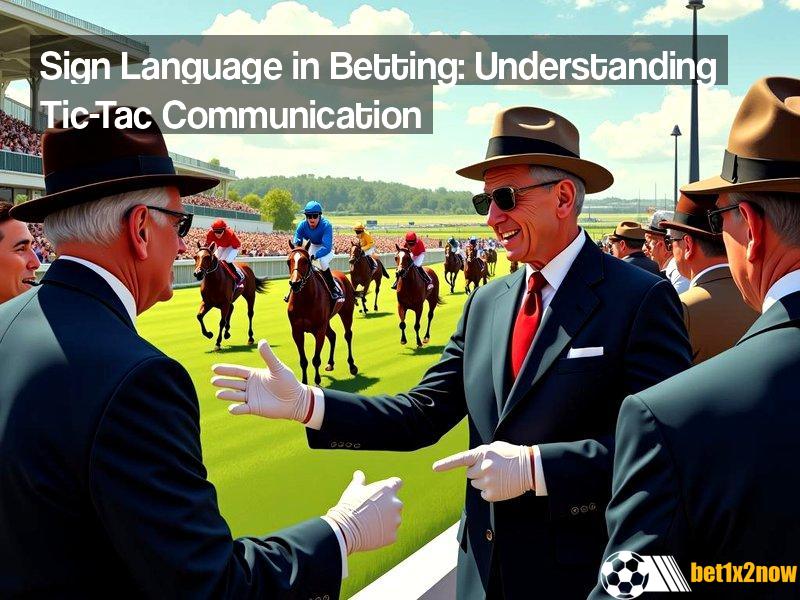
Have you ever heard of Tic-tac? It’s a fascinating sign language used by bookmakers at racecourses to convey betting odds. This intriguing blend of hand signals and informal language not only enhances the excitement of the races but also showcases a deep-rooted tradition in the world of betting!
The sign language employed by bookmakers at racecourses is referred to as Tic-tac. This fascinating mode of communication has its roots in the late 1800s, utilizing a variety of hand signals and slang to convey betting odds swiftly and effectively. In the fast-paced atmosphere of a racecourse, where quick decisions are essential, bookmakers depend on Tic-tac to ensure seamless interaction.
Typically, bookmakers don bright white gloves while engaging in Tic-tac, enhancing the visibility of their hand movements against the backdrop of the racecourse. This clarity is vital, as it enables both onlookers and fellow bookmakers to grasp the signals being exchanged. Each gesture corresponds to specific odds, allowing bookmakers to relay information without uttering a word, which can be challenging amidst the hustle and bustle of the crowd.
Despite the rise of digital technologies in the betting industry, Tic-tac remains a cherished aspect of horse racing culture. Many bookmakers still prefer this age-old method, as it links them to the sport’s storied past. A notable figure in this tradition is John McCririck, a well-known British racing commentator, who played a significant role in popularizing Tic-tac through his media appearances, further embedding it in the fabric of racing.
Ultimately, Tic-tac transcends mere communication; it represents a vibrant and historical tradition within the betting realm. It underscores the intriguing interplay between language, culture, and sport.
Bookmakers have developed a fascinating communication technique known as the Tic-tac system to convey betting odds. This method relies on a series of hand gestures and signals, allowing bookmakers to share information rapidly and discreetly, especially amidst the bustling noise of a racecourse. For instance, a bookmaker might touch their nose with their right hand to indicate odds of 2/1, a gesture referred to as “bottle.” Such signals enable them to update odds swiftly without attracting unnecessary attention, thus providing a competitive edge during races.
Historically, Tic-tac was widely utilized in the UK for communicating horse racing odds, particularly before the dawn of the 21st century. Yet, by 1999, the practice had dwindled, with only a handful of bookmakers in southern England still employing this method, reflecting a shift in the betting industry’s communication styles. Nevertheless, the demand for rapid exchanges in busy betting environments has ensured that some hand signals have remained in use. For example:
This distinctive form of sign language is not only crucial for bookmakers but also enhances the vibrant atmosphere of horse racing, merging time-honored traditions with the fast-paced requirements of contemporary betting.
Tic-tac has been an essential element in the betting world, serving as a crucial means of communication for bookmakers. This system, which relies on hand signals, allowed them to convey betting odds swiftly and discreetly, particularly amidst the hustle and bustle of racecourses. By employing specific gestures, bookmakers could inform one another of changes in odds or significant bets without drawing the attention of punters. This method played a vital role in helping them keep competitive pricing and effectively manage their risks.
The true value of Tic-tac lies in its capacity for silent communication, which enables rapid reactions to fluctuations in the market. This was especially critical during high-pressure events, where timing is everything. For example, a bookmaker might indicate odds of 2/1 simply by touching their nose. Such gestures allowed them to relay important information without interrupting the thrill of the races.
Although modern technology has largely phased out the Tic-tac system, its impact remains significant within betting culture. It reflects the traditional methods that have shaped the industry and underscores the historical backdrop against which bookmakers have operated. The gradual decline of Tic-tac since its heyday in the late 20th century illustrates the industry’s transformation, yet it continues to resonate with those who appreciate the rich history of horse racing.
In essence, while today’s digital advancements have diminished the necessity for Tic-tac, its importance persists. It stands as a symbol of the dedication to communication and the competitive nature that defines the betting landscape. The enduring influence of Tic-tac on racing culture serves as a poignant reminder of the intricate balance between tradition and innovation in a constantly evolving industry.
The Tic-tac language is encountering a number of obstacles, primarily driven by the swift digital transformation of the betting industry and the growing prevalence of mobile technology. As online betting platforms gain traction, traditional methods of communication, such as the Tic-tac system, are becoming increasingly obsolete. Bookmakers can now swiftly transmit odds and updates through digital channels, diminishing the reliance on hand signals.
Moreover, the venues where Tic-tac is commonly utilized are dwindling. With a decline in the number of active racecourses and a shift towards digital solutions, bookmakers find themselves with fewer opportunities to hone their Tic-tac abilities. Recent reports indicate a notable decrease in its usage, leaving only a handful of bookmakers proficient in this language. For many younger individuals, it often seems unimportant or unnecessary in today’s betting landscape.
Additionally, the fast-paced nature of modern betting demands quicker communication methods. This shift renders the slower, hand-signal-based Tic-tac less practical. Consequently, the cultural heritage associated with Tic-tac is in jeopardy. As fewer individuals engage with what was once an essential aspect of betting culture, it risks becoming a relic of the past. The ongoing tension between tradition and contemporary technological demands poses a significant challenge to preserving the Tic-tac language within the current betting framework.


Play responsibly
In United Kingdom, betting can only be conducted through entities that hold the appropriate license to organize betting activities.
If you notice signs of addiction, immediately contact an organization that offers help to overcome addiction: Play responsibly!


